Aging doesn’t mean starting over or becoming someone new. For many older adults, it’s a continuation of the life they’ve already built, shaped by familiar values, routines, and interests. The way people age is less about change and more about carrying forward what already works.
The continuity theory of aging helps explain why that sense of consistency matters. It suggests that people tend to maintain the same patterns of behavior, identity, and lifestyle as they grow older. Rather than reinventing yourself, aging can be about adapting thoughtfully while staying true to who you are.
Key Takeaways
- Continuity theory views aging as a natural progression where your core identity remains stable
- Internal continuity involves maintaining your personality and values, while external continuity focuses on familiar environments and routines
- Preserving consistency in your life can reduce stress and support better mental health outcomes
- Quality senior living communities recognize the importance of honoring your personal history and preferences
- You can balance staying true to yourself while remaining open to new opportunities and experiences
The Basics of Continuity Theory
Continuity theory looks at aging through a practical, grounded lens. Instead of focusing on decline or disruption, it recognizes that people bring decades of experience, habits, and self-knowledge into later life.
What sets continuity theory apart is its emphasis on stability. While some models of aging focus on major transitions or stages, continuity theory suggests that familiarity can be a strength. The strategies and interests developed over a lifetime often remain useful, even as needs shift.
How Continuity Theory Works in Daily Life
The theory is often explained through two forms of continuity. Internal continuity refers to personality, beliefs, preferences, and identity. External continuity includes routines, relationships, and physical surroundings. Together, they shape how comfortable and confident someone feels as life evolves.
Internal Continuity
Your personality at 75 probably resembles your personality at 45 more than you might expect. If you’ve always been social and outgoing, those traits typically remain strong as you age. The same goes for your values, sense of humor, and the things that bring you joy. While you may experience some changes, you tend to stay mostly the same.
This is the premise of internal continuity. Life experiences accumulate rather than reset, creating a sense of coherence that supports confidence and emotional balance. This inner consistency often guides decisions about lifestyle, living environment, and daily routines.
External Continuity
Your daily routines and familiar environments provide stability and comfort. This might mean keeping your morning coffee ritual, maintaining your exercise schedule, or staying connected to your faith community.
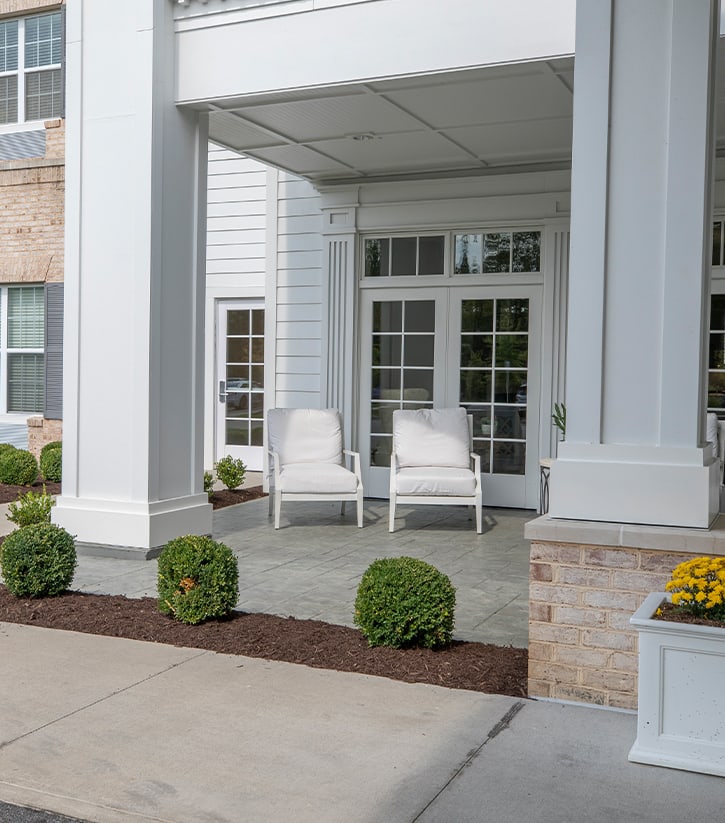
Physical surroundings matter too. Familiar furniture, meaningful belongings, and recognizable spaces can reinforce a sense of home. When environments reflect personal history, they help people feel grounded rather than unsettled.
Purposeful Continuity
Purpose doesn’t retire. Continuing hobbies, interests, and meaningful activities gives structure to daily life and reinforces a sense of usefulness. Gardening, reading, cooking, creative pursuits, or lifelong learning all provide continuity across life stages.
When people can keep doing what matters to them, even if they need to make small adjustments to make things more accessible, it becomes easier to navigate change. Purpose-driven routines often support both emotional health and overall satisfaction.

Why Continuity Matters for Your Well-Being
Familiarity can be calming. When daily life includes recognizable routines and environments, it reduces mental strain and uncertainty. For older adults, this sense of predictability can ease stress and support emotional stability.
Continuity also makes change more manageable. When some parts of life remain consistent, adjusting to new circumstances doesn’t feel overwhelming. Stability in one area allows flexibility in another, which leads to resilience.
Applying Continuity Theory in Senior Living
Senior living environments are most successful when they support continuity rather than disrupt it. Communities like ours aren’t about taking something away from residents—it’s about offering the exact level of support needed to help people live the life they love.
Independent Living
Independent living aligns naturally with continuity theory because it helps older adults maintain control over their lifestyle. Residents can keep familiar routines, personal schedules, and long-standing interests while gaining relief from home maintenance. This balance supports independence without forcing change.
Assisted Living
Assisted living supports continuity by offering help where needed without disrupting personal habits. Daily assistance can be layered into an established routine instead of reshaping it entirely.
Familiar preferences—such as how someone starts their morning, spends their time, or socializes—remain central to daily life. This approach helps people feel supported while still feeling like themselves.
Memory Care
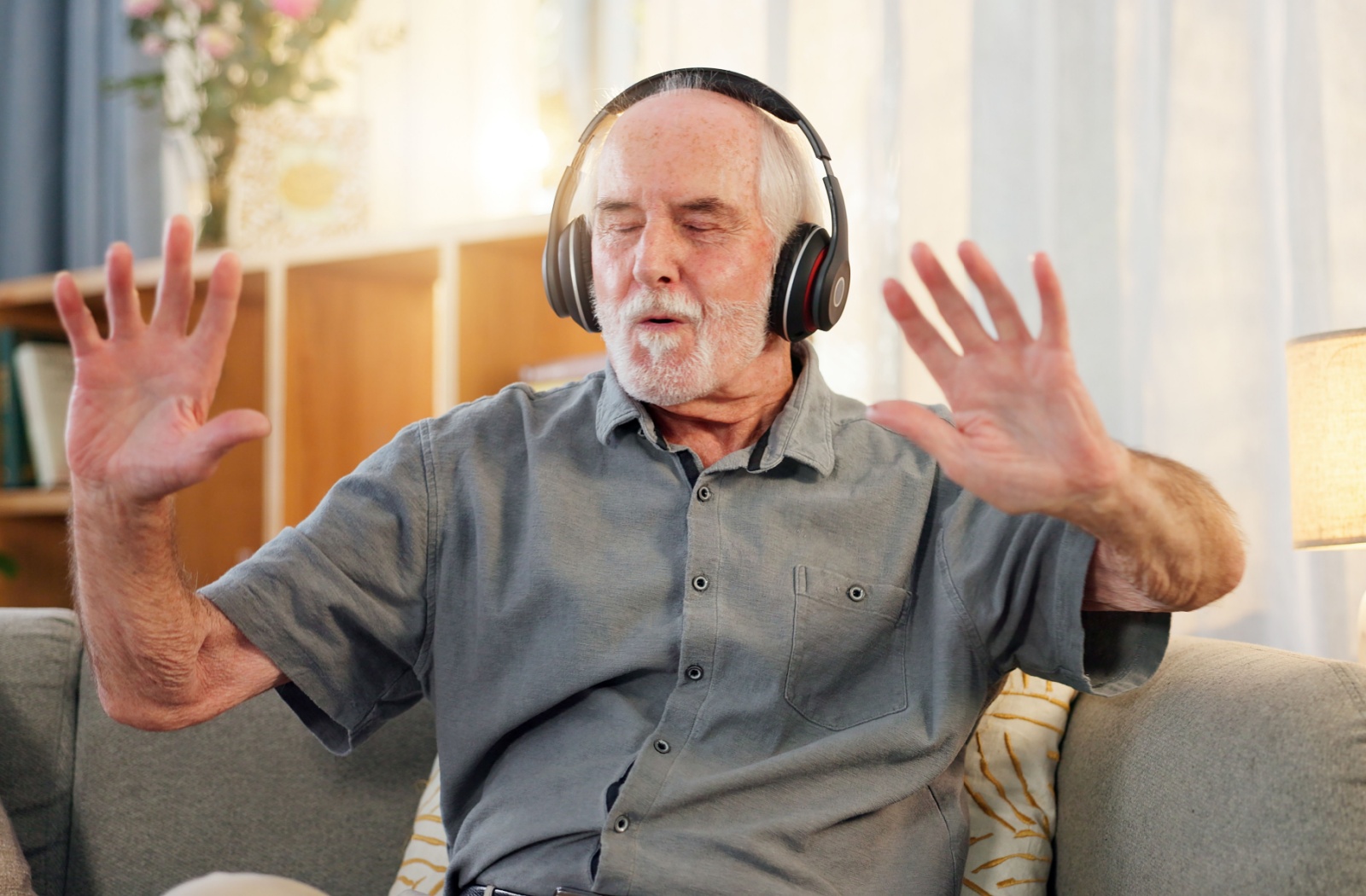
Memory care benefits greatly from continuity because familiarity provides emotional stability. Consistent caregivers, predictable routines, and recognizable activities help reinforce a sense of safety and identity. Long-held interests, music, and hands-on activities often remain meaningful even as memory changes.
It’s Time to Live the Life You Deserve
Aging doesn’t require letting go of who you are. Continuity theory reminds us that stability, familiarity, and personal history play an essential role in well-being. When life changes are handled thoughtfully, it’s possible to adapt without losing your sense of self.
At Woodland Hills by RUI in Roanoke, VA, our community is designed to honor each resident’s life story. Through independent living, assisted living, memory care, and respite care, we support continuity while providing the right level of care. Whether you’re looking for a community for your loved one or yourself, we’re here for your family. Schedule a tour with us today to learn more!